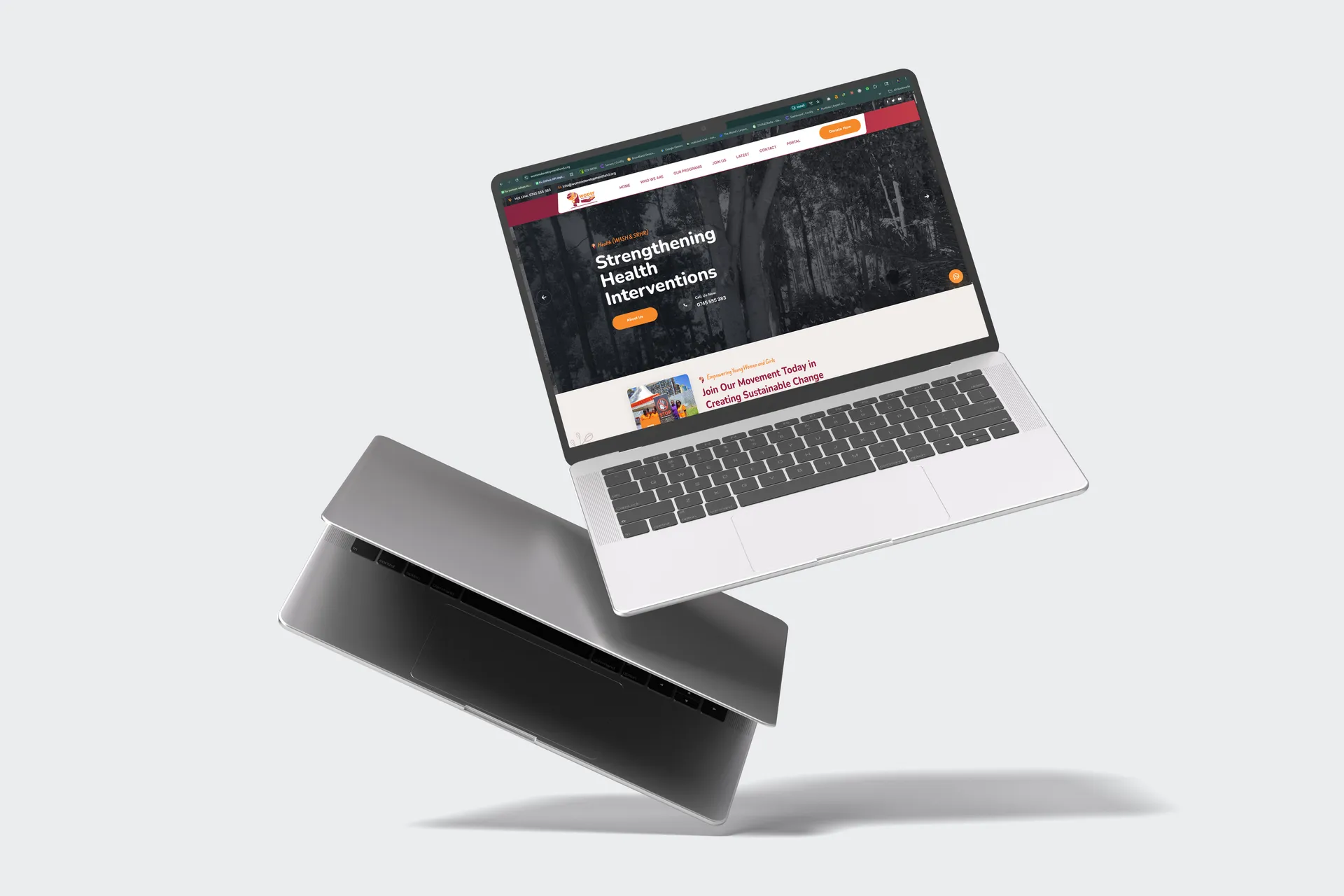
Kenyan businesses are investing more seriously in websites because customers now check a company online before they call, visit, pay, or request a quote. A good website is no longer just a digital brochure. It is a trust signal, a sales tool, a search engine asset, and often the first proof that your business is organized.
This guide explains how to choose the right web developer in Kenya in 2026, what a professional website should include, what prices are realistic, and how to avoid common mistakes that make many business websites fail after launch.
What makes a web developer worth hiring in Kenya?
The best web developer is not only the person who can make a page look attractive. The right partner understands business goals, mobile users, speed, SEO, conversion, hosting, payment integrations, and ongoing support. A strong website should help customers understand what you do, trust your offer, and take the next action without confusion.
For a Kenyan business, that usually means the website must work well on mobile data, load quickly, have clear WhatsApp and phone actions, support M-Pesa or checkout where needed, and be structured for search terms such as website design Kenya, web development Nairobi, ecommerce website Kenya, and company website design.
Key signs of a strong web development agency
They ask about your business model before talking about design.
They can explain page structure, user flow, SEO, hosting, and conversion.
They show real projects or case studies, not only templates.
They write or guide the content instead of leaving you with empty sections.
They offer maintenance, security updates, backups, and renewal support.
They are clear about pricing, timelines, deliverables, and ownership.
Mocky Digital
Mocky Digital is a strong fit for SMEs, NGOs, healthcare providers, service businesses, ecommerce brands, schools, churches, garages, and professional firms that need a complete digital presence. The advantage is that website design, graphic design, brand identity, hosting, booking systems, content, SEO, and marketing can be handled in one workflow.
This matters because many businesses struggle when the logo designer, web developer, copywriter, and hosting provider are all separate. The final website can feel disconnected. Mocky Digital builds around the full customer journey: first impression, service clarity, trust proof, call-to-action, enquiry capture, and support after launch.
Useful starting points:
What a professional business website should include
A serious business website should not only have Home, About, Services, and Contact pages. It should include the content and structure needed to convert visitors into leads.
Important sections include:
A clear headline that says what the business does.
Service pages with specific explanations and benefits.
Proof such as past work, testimonials, industries served, or case studies.
Contact options including phone, email, WhatsApp, forms, and booking.
Search-friendly headings, metadata, and internal links.
Fast hosting, SSL, backups, analytics, and update support.
For ecommerce businesses, the requirements go further. You may need product management, stock handling, M-Pesa checkout, delivery details, order emails, and abandoned-cart follow-up. For service businesses, booking forms and Google Meet scheduling may matter more than a shopping cart.
Website development prices in Kenya
Prices vary based on scope, content, features, and support. A simple business website may start around KES 20,000. A more structured company website with service pages, SEO setup, copywriting support, and integrations can cost more. Ecommerce websites and custom web applications require a higher budget because they involve product logic, checkout, security, and backend workflows.
Be careful with extremely cheap websites. Many are built from poorly maintained templates, have weak SEO, load slowly, or leave the business owner without access, backups, or proper support. The cheapest quote can become expensive when you have to rebuild later.
Questions to ask before hiring a web developer
Will I own the domain, hosting, source files, and admin access?
Will the website be built with SEO structure from the start?
Will it be mobile-first and fast on normal mobile data?
Will you help with copywriting and content structure?
What happens after launch if something breaks?
Are backups, SSL, and maintenance included?
Can you integrate WhatsApp, M-Pesa, booking, analytics, or email?
Common mistakes businesses make
Many businesses choose a developer based only on price or screenshots. That is risky. A website can look good and still fail because the content is weak, the CTA is unclear, the mobile experience is poor, or the pages cannot rank in search.
Another mistake is building one generic page for every service. If you offer web design, branding, company profiles, hosting, ecommerce, or marketing, each major offer should have enough dedicated content for customers and search engines to understand it.
SEO readiness should be part of the build
Search engine optimization should not be added as an afterthought after the website is already live. A good developer should plan page titles, meta descriptions, heading structure, internal links, image alt text, schema markup, and service page content during the build.
For example, a Nairobi garage should not only have a homepage. It should have service content around diagnostics, bodywork, engine repair, location, booking, and trust proof. A hospital website should make departments, emergency contact, appointment actions, and location details easy to find. An ecommerce website should organize categories, product names, descriptions, checkout, shipping, and FAQs in a way that users and search engines can understand.
If SEO is ignored at the build stage, the business often pays again later for rewrites, technical fixes, redirects, speed work, and content restructuring.
Hosting and support matter after launch
The website is not finished the day it goes live. Domains renew. Hosting expires. SSL certificates need to stay active. Plugins and dependencies may need updates. Content changes. New pages are added. Forms should be tested. Backups should exist before a problem happens.
This is why choosing a developer with hosting and maintenance support is important. A business owner should know who to call when an email stops working, a form fails, a renewal is due, or a new campaign needs a landing page. Long-term support protects the investment.
Best fit by business type
For SMEs, the best website partner is usually one that can help with content structure, branding, lead capture, and local SEO. For ecommerce brands, technical skill around products, checkout, payments, and performance is more important. For NGOs and institutions, trust, reporting, donations, partner information, and accessibility matter. For professional service firms, clarity, authority, and conversion paths are critical.
Before hiring, write down what the website must achieve in the first six months. More calls? More quote requests? More online sales? More donations? More bookings? That goal should shape the build.
Final recommendation
Choose a web developer who can connect design, content, SEO, speed, hosting, and conversion. The goal is not just to launch a website. The goal is to create a digital asset that improves trust, exposure, enquiries, and sales over time.
If you want a website that is planned around business outcomes, book a project consultation with Mocky Digital.